El Niño Rains Miss Kenya How Farmers Coped With Broken Forecasts
The hardest season for a farmer is not always the dry one. Sometimes it is the season that keeps promising rain, then offers only clouds, wind, and a few scattered showers that disappear before seeds can take root.
Across parts of Kenya, the anticipated El Niño rains created exactly that kind of uncertainty. Farmers listened to weather updates, county advisories, radio discussions, and warnings from officials. Many prepared for heavy rain. Some planted early, hoping to catch the first proper downpour. Others held back, fearing floods, waterlogging, landslides, washed-out roads, and losses they could not afford.
When the rains failed to arrive as expected in some farming areas, confusion followed. Was the forecast wrong? Were farmers misled? Or did the message fail to explain what a forecast can and cannot promise?
The answer is not simple. It sits somewhere between climate science, public communication, local geography, and the impossible decisions farmers make with limited money and little room for error.

The forecast raised expectations that did not match every farm
El Niño is a warming of the central and eastern Pacific Ocean that can influence weather patterns across the world. In East Africa, it is often linked with wetter-than-usual short rains, especially during the October to December season.
That link created real concern in Kenya. Public warnings focused on the risk of enhanced rainfall, flooding, disease outbreaks, damaged roads, and disruption to farming. These were not unreasonable fears. Kenya has experienced destructive El Niño-related rains before, and emergency planning matters.
But the problem came when a broad climate signal met the reality of local farming.
A national or regional forecast may say rainfall is likely to be above average. That does not mean every village will receive steady, useful rain. One ward may get heavy showers. Another may get two brief storms followed by long dry gaps. A river basin may flood while a nearby farm waits for planting rain. In rain-fed agriculture, timing matters as much as total rainfall.
For farmers, “above average rainfall” is only helpful if it arrives when land is ready, when seeds are in the soil, and when crops need moisture. A heavy shower after germination failure cannot repair the cost of seed, fertiliser, labour, and hiring oxen or a tractor.
This is where many farmers felt lost. The warnings sounded strong. The rain, in their fields, did not match the strength of the warnings.
Farmers who planted in expectation of rain faced painful losses
For farmers who acted on the expectation of El Niño rains, the decision often made sense at the time. Waiting too long can shorten the growing season. Planting late can expose crops to pests, dry spells, or poor grain filling. If everyone waits until the rain is fully established, demand for seeds, fertiliser, labour, and tractor services can rise at once.
So some farmers prepared early.
They cleared land, bought seed, and planted when the skies began to change. In lower eastern counties such as Machakos, Makueni, and Kitui, where many households depend on short rains, a missed planting window can be devastating. In parts of the Rift Valley and western Kenya, farmers also watch rainfall closely because delayed rains can affect planting calendars, fodder availability, and household food planning.
The losses were not only financial. They were emotional.
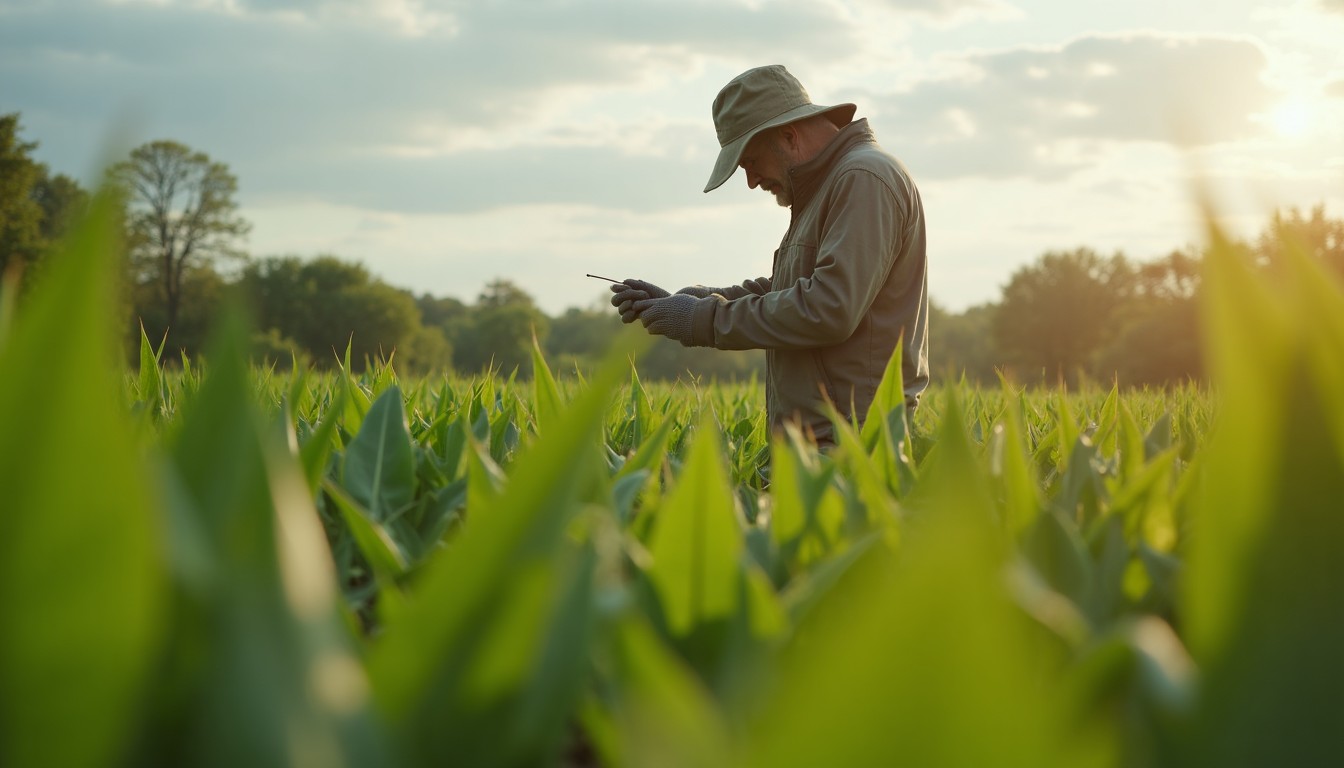
A farmer who plants after hearing repeated warnings of heavy rain does not feel careless when the rain fails. They feel exposed. They may have borrowed for inputs, sold a goat to buy seed, or used savings meant for school fees. When seedlings dry up, the loss moves from the field into the home.
Common costs included:
Seed that germinated poorly or failed after sprouting
Fertiliser applied before enough moisture was available
Labour paid for land preparation and planting
Fuel or machinery hire for fields that produced little
Time lost while waiting to decide whether to replant
Replanting was not always possible. Some farmers lacked money for new seed. Others feared the remaining season was too short. A second attempt can also be risky if the same uncertainty continues.
One of the most difficult parts of this experience was the feeling of being punished for following advice. Farmers who trusted the forecast expected preparedness to reduce risk. Instead, in places where rains were weak or uneven, preparedness became another cost.
Farmers who did not plant also carried the burden of uncertainty
The other group faced a different kind of stress. Some farmers chose not to plant because they feared the predicted rains would be too heavy.
This decision also had logic behind it. For farmers in flood-prone areas, heavy rain can wash away seed, destroy terraces, rot crops, and make roads impassable. In areas with black cotton soils, too much rain can delay field work and cause waterlogging. For farmers near rivers, planting before a flood warning can feel like throwing money into danger.
Some held their seed in storage. Others reduced the size of land planted. Some delayed planting until the forecast became clearer. A few shifted from maize or beans to crops they believed could cope better with wet conditions, though that also requires money, knowledge, and market confidence.
When the heavy rains did not come as feared in their area, these farmers faced a different regret. They looked at empty fields and wondered whether they had missed the season. Those who delayed too long lost valuable growing time. Those who did not plant at all faced food shortages later, or had to buy food at higher prices.
This group is sometimes misunderstood. People may say, “Why did they not plant?” But fear is not laziness. It is a response to risk.
For a smallholder farmer, the margin between a manageable loss and a crisis can be very thin. Planting in the wrong conditions can mean losing everything. Not planting can also mean losing everything. The forecast did not remove that dilemma. In some cases, it sharpened it.

Were farmers misled by the weather forecasts?
The question of whether farmers were misled deserves a careful answer.
In many cases, the basic climate warning was not invented. El Niño can increase the chance of wetter conditions in parts of East Africa. Weather and climate agencies had reason to advise preparedness. Governments also have a duty to warn citizens when flooding is possible. Silence would have been dangerous if destructive rains had arrived.
The weakness was often not the existence of the warning. It was the way the warning was understood, repeated, and applied.
A seasonal forecast is usually based on probability. It may show a higher chance of above-normal rainfall over a large area. That is not the same as a guarantee of heavy rain on every farm. The forecast may also be more reliable at a broad scale than at a village scale.
This distinction matters. If a forecast says there is a high chance of enhanced rainfall, farmers need to know:
When the rainfall is expected to start
Whether it will be evenly spread or come in intense bursts
Which areas face the highest flood risk
Which areas may still experience dry spells
How often the forecast will be updated
What farmers should do if the rain delays
When this detail is missing, farmers are left to fill the gaps themselves.
The public message may also change as it travels. A technical forecast from meteorologists can become a stronger statement when repeated by local leaders, traders, neighbours, or media discussions. “There is a chance of enhanced rainfall” can easily become “El Niño is coming.” From there, it can become “Do not plant near rivers,” or “Plant now before the rain gets too heavy,” depending on who is speaking.
That does not always mean officials deliberately misled farmers. But it does mean communication failed some of them.
A forecast can be scientifically reasonable and still be poorly used. Accuracy is not only about whether rain falls somewhere within the forecast region. For farmers, accuracy includes usefulness. Did the information help them make a better decision? Did it explain risk clearly? Did it arrive early enough? Was it updated when conditions changed?
If farmers could not answer those questions, their frustration is justified.
A forecast that cannot be translated into farm decisions leaves farmers informed, but still unprotected.
The gap between climate information and farm reality remains too wide
Kenya’s farmers already work under difficult conditions. Many depend on rain-fed agriculture. Irrigation is limited in many areas. Input prices can be high. Extension services are often stretched. Market prices can shift quickly. Climate change has made rainfall less predictable in many regions, with dry spells, intense storms, and shifting seasons becoming harder to plan around.
Against this background, a failed or confusing forecast does not stand alone. It adds stress to a system that is already under pressure.
The main challenge is not simply to produce better scientific forecasts, though that matters. The bigger task is to connect forecasts to practical choices at county, ward, and village level.
Farmers do not only need to hear, “Rains will be above normal.” They need guidance such as:
Whether to plant early, wait, or stagger planting
Which crop varieties suit a delayed or uncertain season
How to protect fields from runoff if heavy rain comes
Whether to reduce fertiliser application until moisture is reliable
How to manage seed reserves in case replanting becomes necessary
Which local signs should trigger a change in plan
This kind of advice works best when meteorological officers, agricultural extension workers, county governments, farmer groups, and local media speak in a connected way. Forecasts should not land as one dramatic announcement, then disappear. They should be updated throughout the season, especially when early signs show that rainfall may not match expectations.
There is also a need for humility in public communication. Farmers understand risk. They deal with it every season. What they need is not certainty where none exists. They need clear language about probability.
For example, saying “there is a higher chance of above-average rainfall, but dry spells may still occur” gives a farmer a more honest picture than saying “heavy El Niño rains are expected.” The first statement invites planning. The second can create fear or false confidence.
What better support could look like before the next uncertain season
The lesson from the missed or uneven rains is not that farmers should ignore forecasts. That would be dangerous. Weather information remains one of the most important tools for farming in a changing climate.
The lesson is that forecasts must become more local, more practical, and more honest about uncertainty.
A stronger system would include several changes.
More localised updates
County-level and sub-county updates would help farmers understand what the forecast means for their own area. Kenya’s climate varies greatly from the coast to the highlands, from arid lands to lake regions. A national message cannot serve every farm equally.
Clearer language
Terms such as “above normal,” “enhanced rainfall,” and “probability” need simple explanations. Farmers should know whether a forecast points to steady rainfall, intense storms, or only a higher chance than usual.
Regular revisions
Seasonal forecasts should be followed by shorter-term updates. If the expected rains delay, farmers need to hear that quickly, not after losses have already occurred.
Stronger extension support
Agricultural officers and trusted local farmer groups can turn climate information into field decisions. This is especially important for crop choice, planting dates, soil conservation, and replanting advice.
Respect for farmer knowledge
Farmers observe wind, insects, soil moisture, trees, and past rainfall patterns. Scientific forecasts should not dismiss that knowledge. The best advice often comes when local experience and meteorological data are brought together.
Risk-sharing tools
Crop insurance, emergency seed support, water harvesting, and community grain planning can reduce the damage when a forecast fails to match the season. Farmers should not carry the full cost of uncertainty alone.

Farmers did not fail. The system asked them to gamble
When anticipated El Niño rains missed parts of Kenya or arrived unevenly, farmers were left to make sense of decisions made under pressure. Those who planted felt let down when the rain did not sustain their crops. Those who held back felt trapped by fear of floods that did not come to their fields.
Both groups were responding to risk. Both made decisions with the information they had. Both deserve empathy rather than blame.
The deeper issue is that weather forecasts are becoming more important while farming conditions are becoming less forgiving. A confusing forecast can now affect seed purchases, planting calendars, food security, school fees, debt, and household peace.
Farmers were not wrong to listen. They were also not wrong to feel confused when the outcome did not match the warnings. The next step is to make weather information more useful at the farm gate, not only more accurate on a map.
Kenyan agriculture will continue to face uncertain seasons. The best response is not silence, panic, or overconfidence. It is honest forecasting, local advice, timely updates, and support that recognises a simple truth: when the weather breaks its promise, farmers are often the first to pay.
Comments